Archives and Rare Books
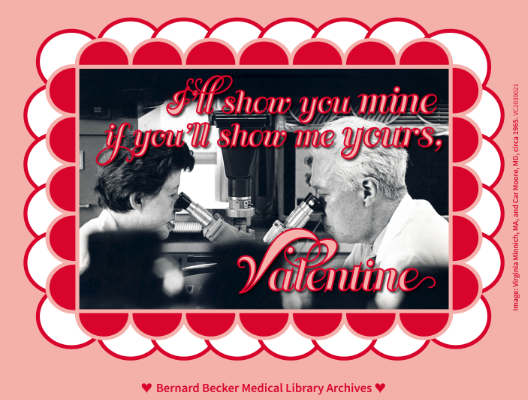
Happy Valentine’s Day from Becker Archives!
Send your science-loving sweetie a valentine from Becker Archives and Rare Books!

Send your science-loving sweetie a valentine from Becker Archives and Rare Books!
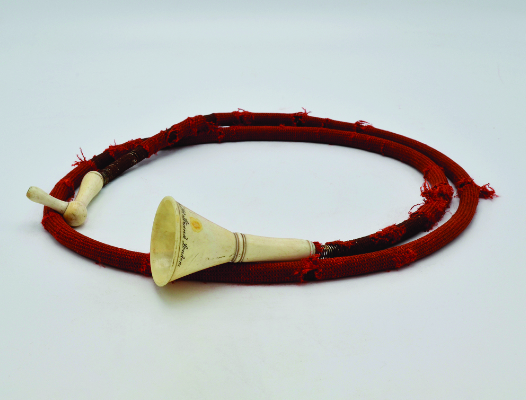
“How Did We Get Hear? Historic Hearing Devices 1800-2000” is a new digital exhibit from the Becker Archives that explores the long history of hearing devices, from mechanical conversation tubes to electronic transistor hearing aids. The exhibit features nearly 100 different hearing devices from Becker Archives’ Central Institute for the Deaf–Max A. Goldstein Historic Devices [Read more]

The Becker Archives is pleased to announce that an index of the Max A. Goldstein Collection of Scientific Articles on Otorhinolaryngology is now available on the Becker Archives Database. This collection features more than ten thousand scientific articles on subjects related to the study and practice of ear, nose, and throat medicine. The articles were [Read more]

Today, hearing aids are small enough to sit behind your ear or slip in your ear canal, but they weren’t always so diminutive or discreet. If you used a hearing aid in the 1930s and 1940s, you wouldn’t just have a receiver in your ear—that receiver would be connected to two bulky units: one piece [Read more]

Send your science-loving sweetie a valentine from Becker Archives and Rare Books!

Reproductive rights in America are constantly changing. But how did we get here? Historical context can help us understand our current moment and even possible futures. Becker Library has a variety of historic materials that shed light on the history of reproductive rights at WashU and in St. Louis.
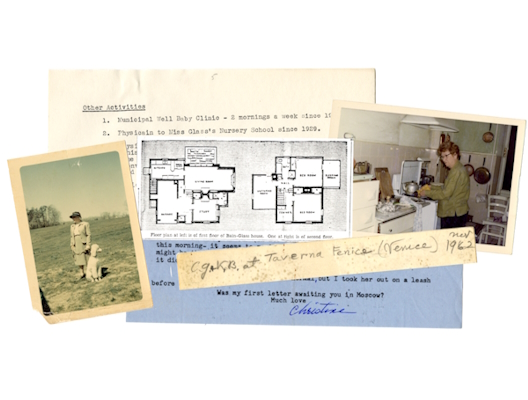
Using archival records to determine if a friendship between two women was something more is challenging. At first glance, the records are rather ambiguous, perhaps intentionally so. What can we learn if we look closer?
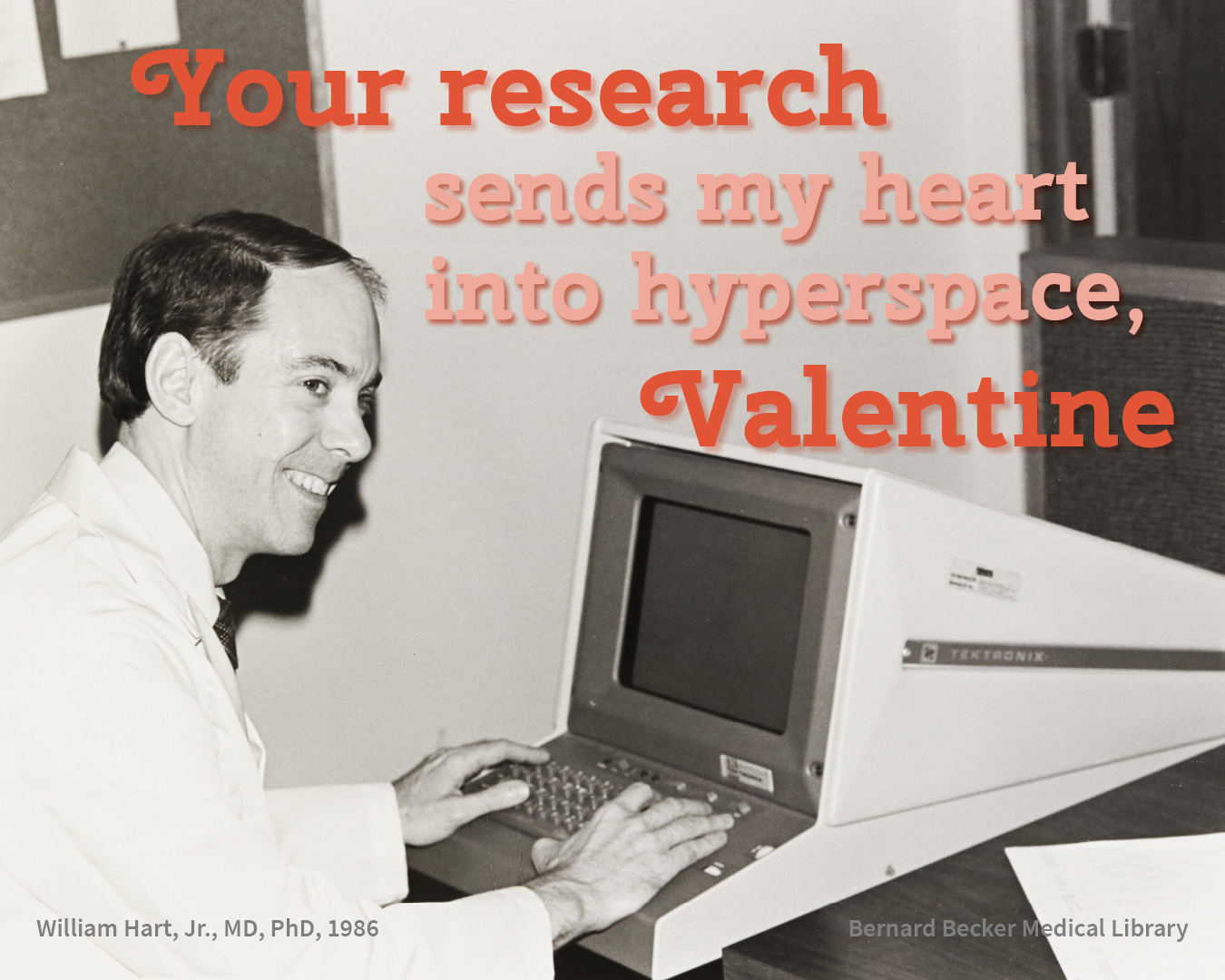
Is your sweetie into immunology? Does your heartthrob have a lab job? If so, send your beloved one of these valentines from the Becker Archives!
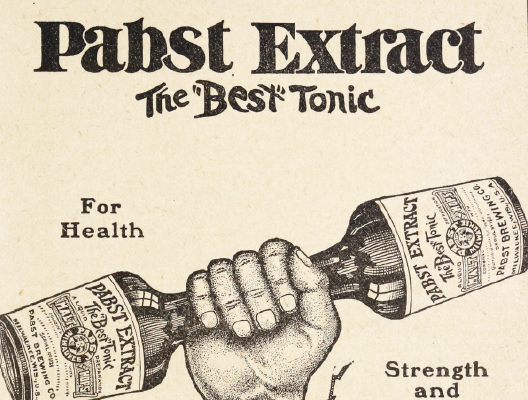
You might expect a malt brew with as much as 5% ABV to be a beer, but in the late nineteenth century Pabst apparently liked to think outside the keg.
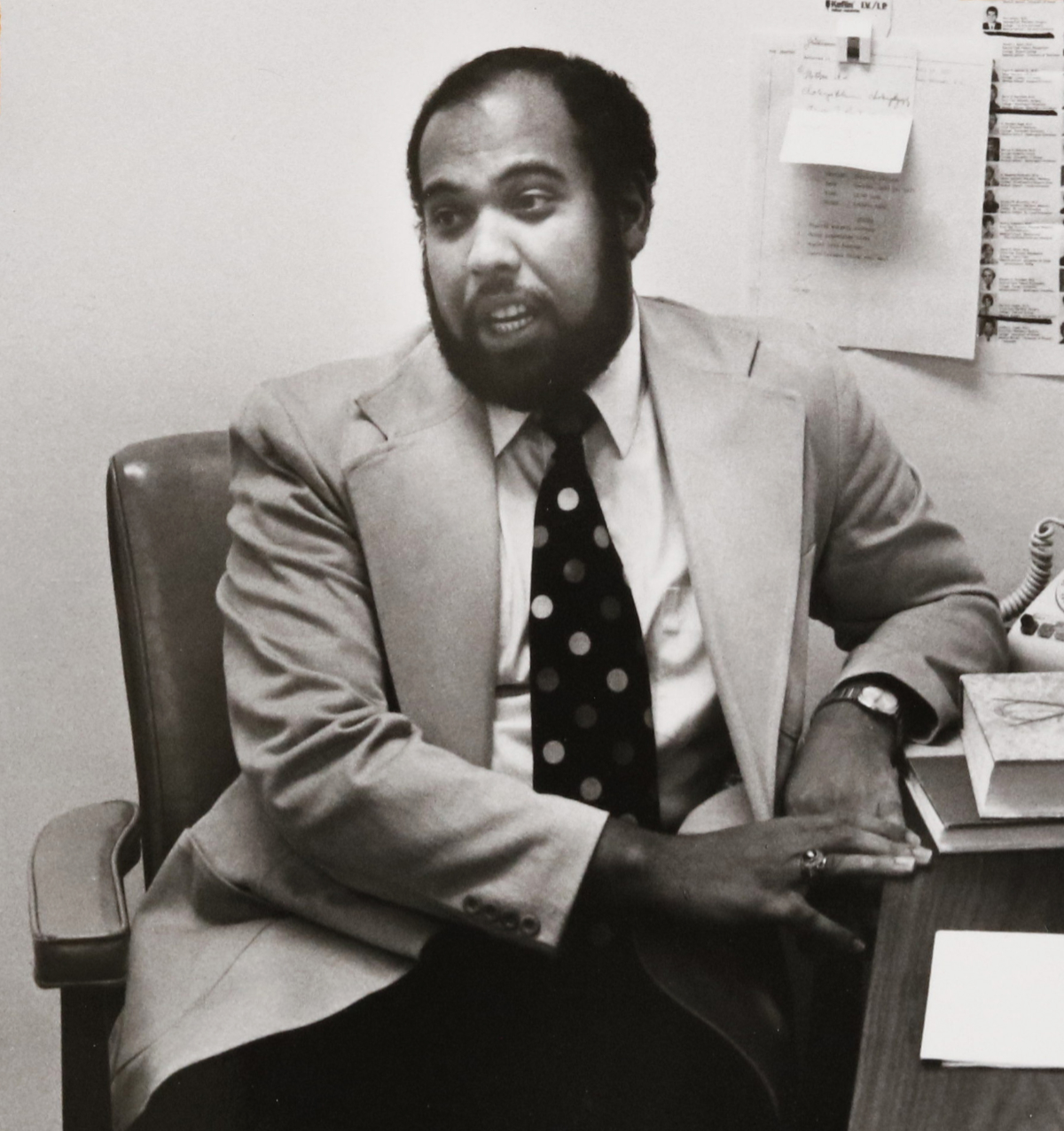
“I came here with kind of the idea of opening up doors and trying to get the school involved in doing things for minorities” – Julian Mosley, MD, 1990 As a student at Washington University School of Medicine, Julian C. Mosley, Jr., MD, was instrumental in advocating for Black students. In the in the late [Read more]