
A month-long series of presentations and educational events highlighting trends in open science, open data and open access, in recognition of International Open Access Week
Presented by WashU Medicine Bernard Becker Medical Library and WashU Libraries.
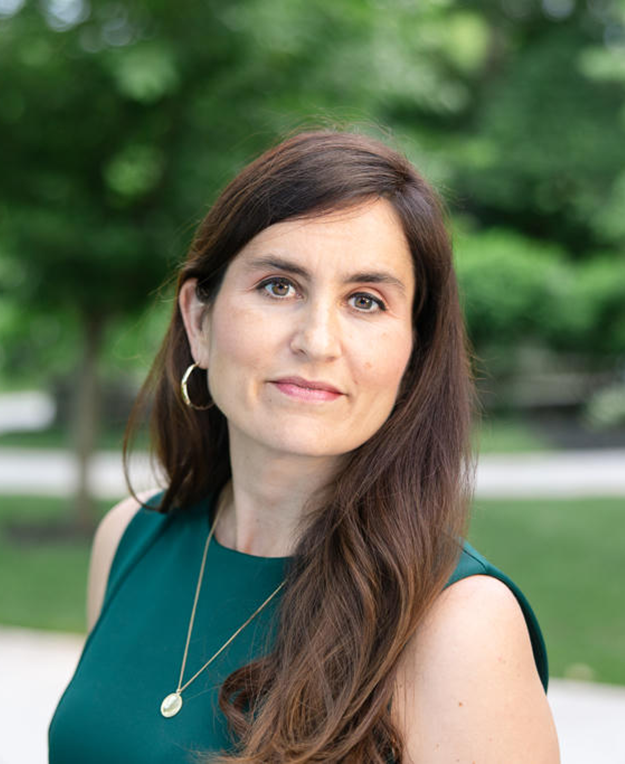
Beyond open access: Rethinking how we make science meaningful and trustworthy
Thursday, Oct. 8, 2026 | 3-4 p.m. | Moore Auditorium, WashU Medical Campus
Meagan Phelan
Communications Director
Science Journals & Publishing at American Association for the Advancement of Science (AAAS)
This talk will explore how we can build channels that add meaning and context to research, embed stronger signals of trustworthiness in the scholarly record and empower researchers to help shape how their work is understood and used beyond the traditional paper.
Presented in collaboration with the Center for Health & Science Communication at Becker Library.
Designing renewable assignments: An intro to open pedagogy workshop
Wednesday, Oct. 14, 2026 | 12-1:30 p.m. | Olin Library Room 142, Danforth Campus
Cadence Cordell
Digital Publishing Manager
WashU Libraries
How can you create assignments that have a lasting impact outside of the classroom? In this workshop, you will learn how to use open pedagogy to create renewable assignments, or assignments that have continued value outside of the original course. You will learn what open pedagogy is, how it can be used to create assignments that can increase student motivation and engagement with course material, and key considerations to keep in mind when incorporating open pedagogy into your course. Examples will be shared throughout the workshop that you can then reuse for your own course(s). Please bring your own device and lunch.
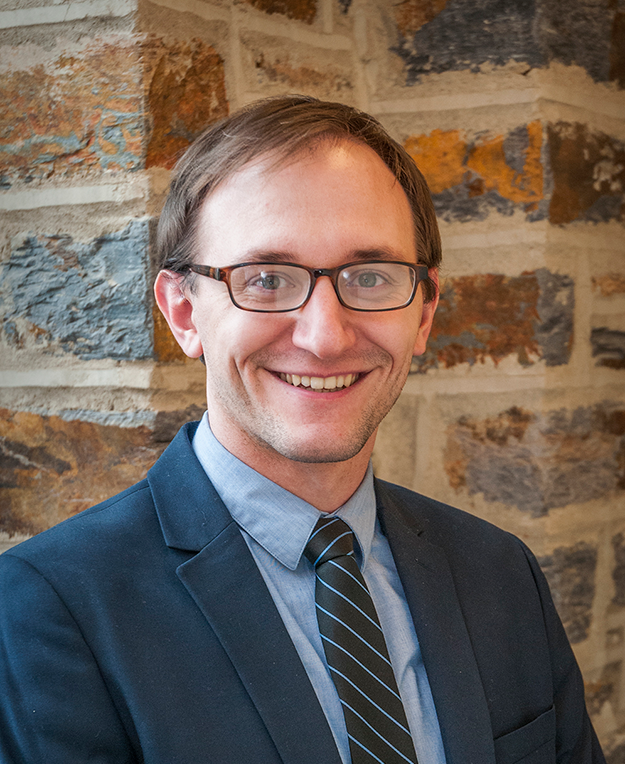
Charting a third path: Fair use, open access, and university-built datasets for academic AI
Tuesday, Oct. 20, 2026 | 12-1 p.m. | Zoom
Dave Hansen
Executive Director
Authors Alliance
Researchers who want to apply AI and text-data-mining methods to large collections face a familiar bind: the materials they need are hard to reach, and the two paths on offer both carry costs. Commercial AI developers gather text at scale with little transparency, while publishers increasingly ask universities to license every computational use. This talk makes the case for a third path. It revisits why fair use is a built-in safeguard for research rather than a loophole, drawing on the mass-digitization decisions that settled the point, and situates that doctrine within the federal open-access and information policy now facing legal challenge. It then turns to Transparent Books, a Mellon-funded partnership among HathiTrust, Northeastern, and Authors Alliance that gives academic researchers a community-governed, noncommercial way to build their own datasets for AI work grounded in scholarly values.
Find evidence of research impact in policy using Overton (and more!)
Wednesday, Oct. 28, 2026 | 10-11 a.m. | Zoom
Inesia Adolph
Head of Engagement and Customer Education
Overton
In this session, attendees will:
- Learn about Overton’s impact dashboards and how to set one up
- Receive an introduction to Overton and its main use cases for researchers
- Gain foundational knowledge about Overton’s data
- Become familiar with key search functionalities, features, Overton’s exports